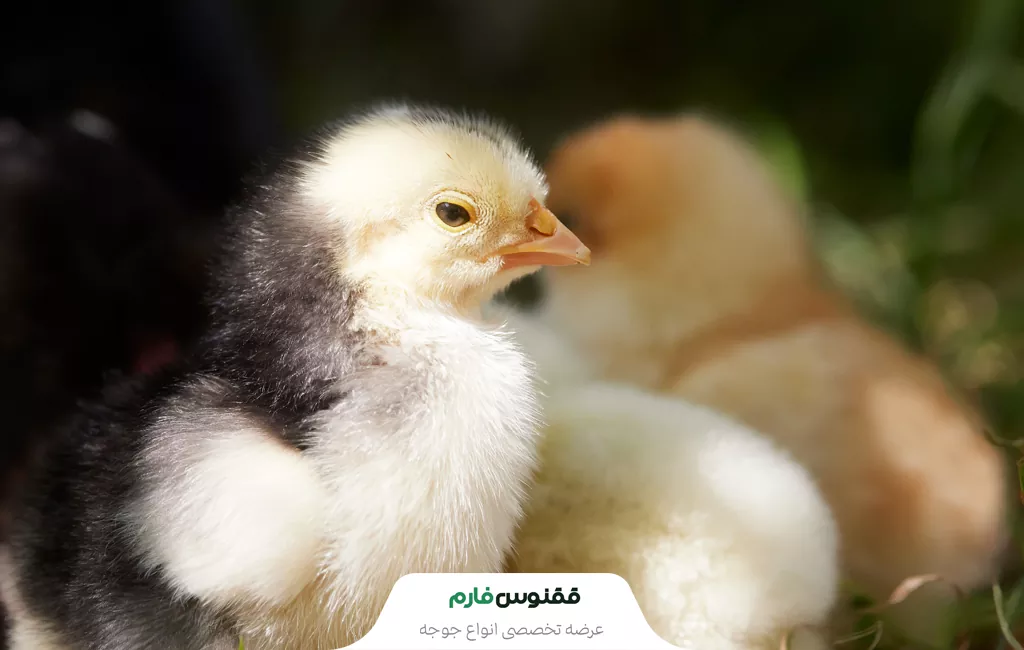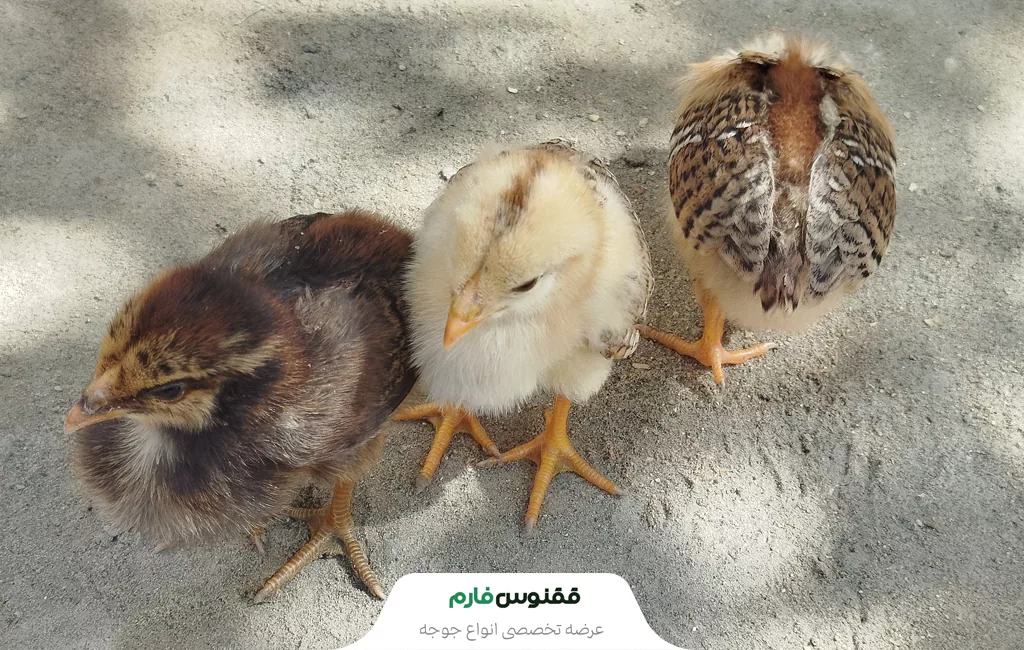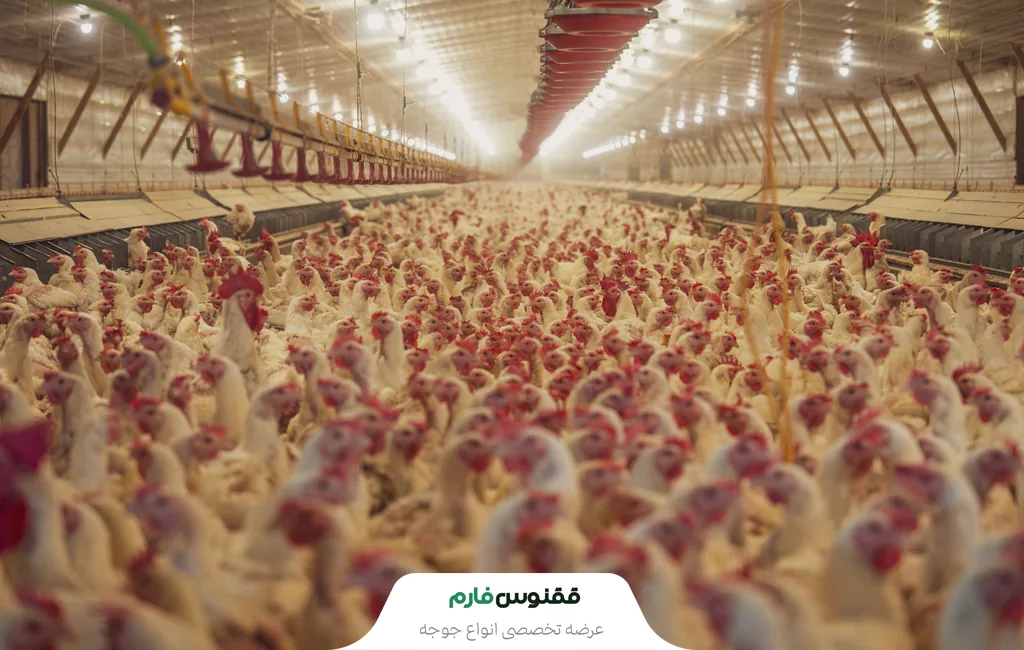

Caring for day-old chicks during their first days is one of the most important factors in achieving a healthy and productive flock. Chicks are highly sensitive to temperature, humidity, ventilation, feed, and water during this period. Providing suitable conditions from the very beginning can significantly reduce stress, mortality, and growth problems.
In this guide, we explain the most important points for caring for day-old chicks during their first days, from preparing the brooding area to temperature management, feeding, watering, ventilation, litter, space requirements, and daily monitoring.
Preparing the Brooding Area Before the Chicks Arrive
The brooding area should be completely prepared before the chicks arrive. The environment should be warm, dry, clean, and free from direct drafts.
Make sure the heating equipment is working properly and that the required temperature has been reached before placing the chicks inside. Feeders and drinkers should also be clean, filled, and easily accessible.
Suitable Temperature for Day-Old Chicks
Temperature is one of the most important factors during the first days of a chick’s life. For chicken chicks, a temperature of about 92–95°F (33–35°C) at chick level under the heat source is commonly recommended during the first week.
However, the thermometer should not be the only basis for temperature management. The chicks’ behavior is also an important indicator of whether the temperature is suitable.
- If the chicks gather tightly together directly under the heat source, they are probably too cold.
- If the chicks move far away from the heat source and remain around the edges, they may be too hot.
- If the chicks are evenly distributed throughout the brooding area and move normally, the temperature is generally suitable.
- If the chicks gather in one particular area, check for drafts, uneven heating, or another environmental problem.
The thermometer should be positioned approximately at chick level rather than high above them, because the temperature experienced by the chicks is what matters.
Safety of Heating Equipment
Heating equipment should be installed and operated safely. Keep electrical cables and heating equipment away from water, litter, and areas where chicks can reach or damage them.
Check the heating equipment regularly and make sure there is no risk of fire, electric shock, or overheating.
Fresh Water and Suitable Feed
Fresh and clean drinking water should be available to the chicks from the moment they arrive. Drinkers should be placed where all chicks can easily reach them.
Use a suitable commercial starter feed formulated specifically for the chicks’ species and age. The feed should be fresh, dry, and stored in a clean and suitable place.
During the first hours, observe the chicks carefully to make sure they are drinking and eating normally.
Brooding Litter: Dry, Clean, and Suitable
The brooding litter should be dry, clean, and suitable for young chicks. Wet or dirty litter can increase the risk of disease and create poor environmental conditions.
Moisture should be removed promptly, especially around drinkers. Good ventilation is also essential for controlling humidity and preventing the accumulation of ammonia.
Ventilation should provide fresh air without creating direct drafts at chick level.
How Much Space Do Day-Old Chicks Need?
Chicks need enough space to move freely toward and away from the heat source, reach feed and water, and rest comfortably.
For chicken chicks, Penn State Extension commonly refers to approximately ¼ square foot of floor space per bird during the first week. However, this figure is not universal and may vary depending on the species, housing system, environmental conditions, and management method.
As the chicks grow, their space requirements increase and the available area should be adjusted accordingly.
What Should You Check During the First 24 Hours?
The first 24 hours are especially important. During this period, regularly check the following:
- The chicks’ activity and general behavior.
- Whether the chicks are evenly distributed throughout the brooding area.
- Whether they are drinking water normally.
- Whether they are eating the starter feed.
- Whether the litter is dry and clean.
- Whether ventilation is adequate.
- Whether the heating system is working properly and safely.
Early observation can help identify environmental problems before they cause serious losses.
Care After the Second Day
After the second day, the brooding temperature can usually be reduced gradually. For chicken chicks, a reduction of around 5°F (about 3°C) per week is commonly used as a general guideline.
However, temperature should always be adjusted according to the actual environmental conditions and, most importantly, the behavior of the chicks.
If chicks are comfortable, active, evenly distributed, and eating and drinking normally, the brooding conditions are generally appropriate.
Warning Signs You Should Not Ignore
If chicks are not eating or drinking, appear unusually weak or inactive, have abnormal breathing, show problems with balance or movement, or if unexpected mortality occurs, the situation should be investigated promptly.
In such cases, consult a veterinarian or poultry specialist to identify the underlying cause.
Avoid giving antibiotics, medicines, vaccines, or supplements without professional advice. Unnecessary or incorrect use of such products can create additional problems and may hide the actual cause of illness.
Daily Checklist for Day-Old Chicks
- Water is fresh and clean.
- Starter feed is available and fresh.
- The chicks are active and alert.
- The chicks are evenly distributed throughout the brooding area.
- The temperature is appropriate.
- There are no direct drafts.
- The litter is dry and clean.
- Ventilation is adequate and there is no excessive ammonia smell.
- Heating equipment is functioning safely.
- There are no unusual signs of illness or mortality.
Summary
Successful care of day-old chicks begins before they arrive. A warm, dry, clean, and well-ventilated brooding environment, together with constant access to fresh water and suitable starter feed, provides the foundation for healthy growth.
During the first days, do not rely only on thermometer readings. The behavior and distribution of the chicks provide valuable information about their comfort and environmental conditions.
Regular monitoring during the first 24 hours and throughout the brooding period can help identify problems early and reduce losses.
If you need professional advice about chick care, brooding conditions, poultry management, or selecting healthy chicks, you can contact Qoqnoos Farm for further guidance.