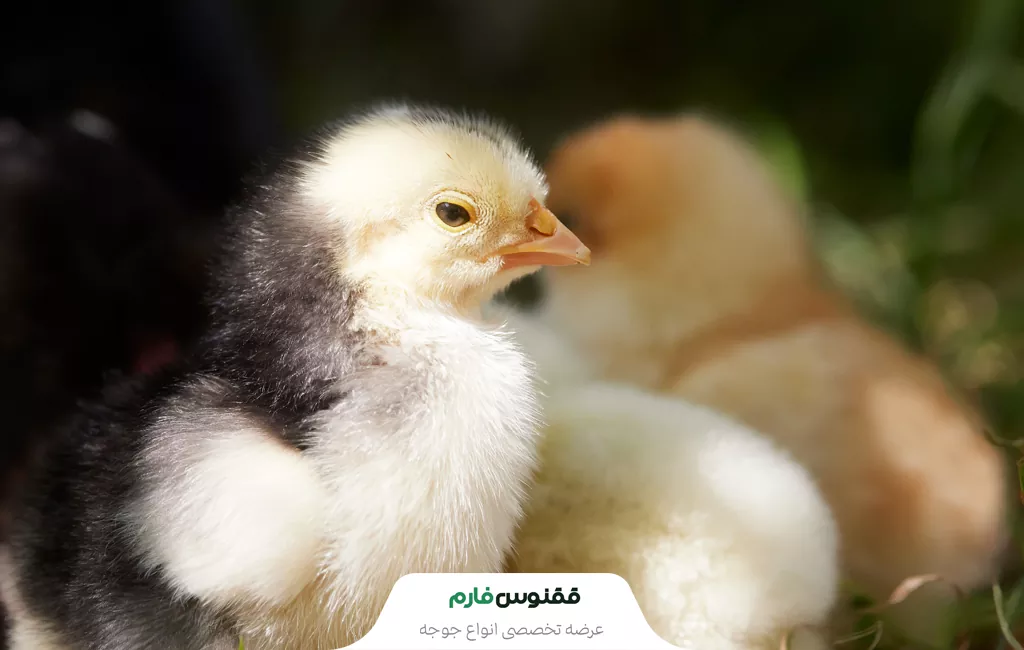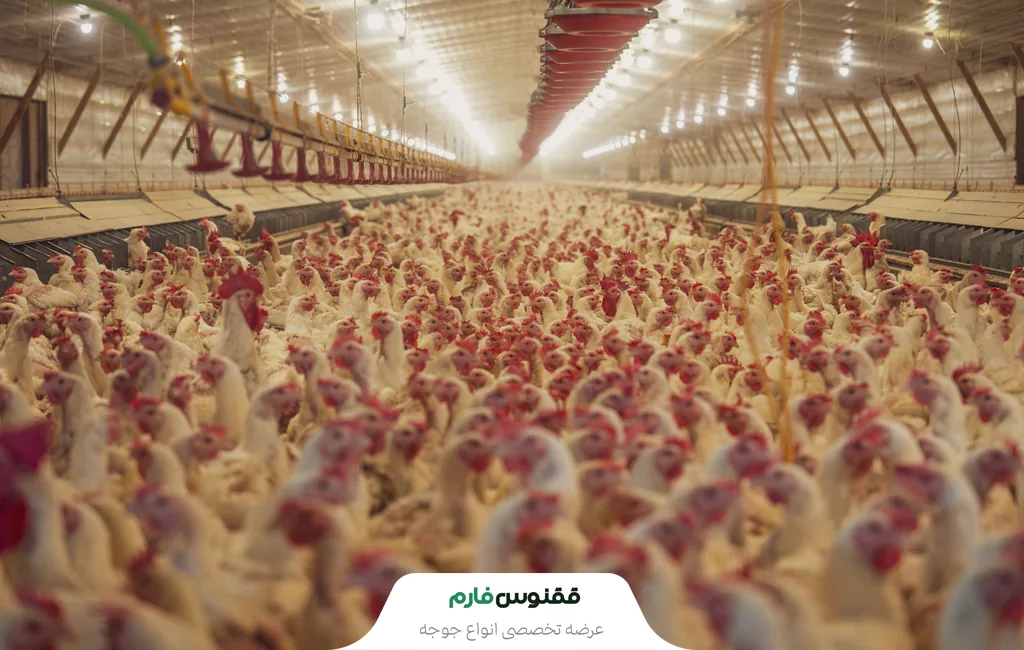
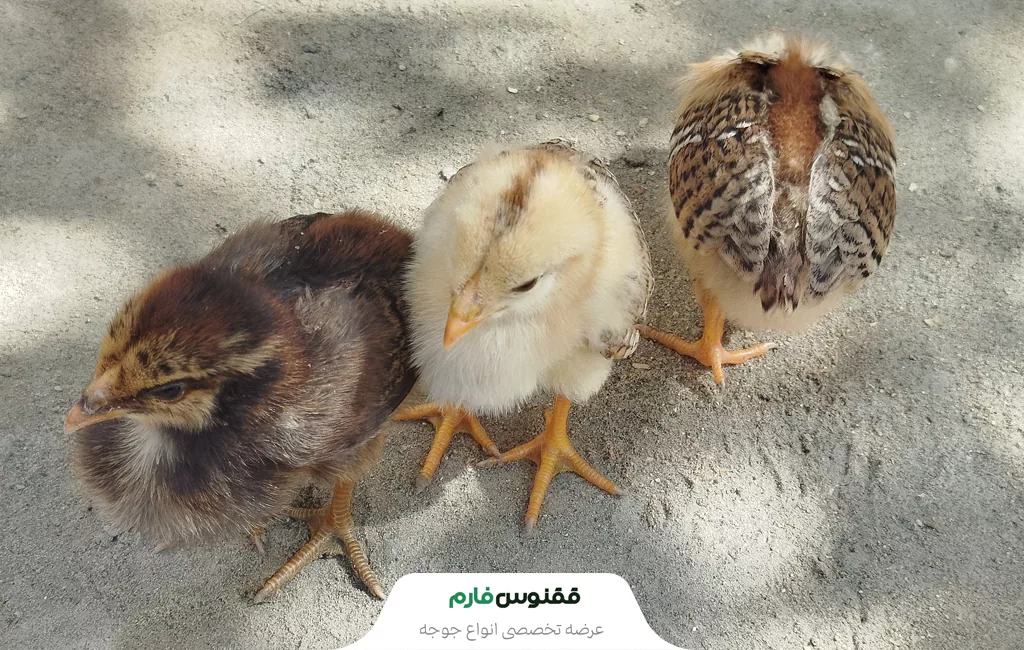
If you are planning to buy day-old chicks, choosing between native chicks and broiler chicks is not simply a matter of the chick’s appearance or its initial price. These two types of chicks are raised for different purposes, and differences in production goals, growth rate, management requirements, and final product can affect your decision.
Broiler chicks are selected for meat production and rapid growth. Native chicks, on the other hand, are generally kept in different production systems and sometimes for dual-purpose or other objectives. However, the term “native chick” does not describe a completely uniform group, and its characteristics can vary depending on the breed or bird type and the source of supply. Therefore, a single characteristic should not be assumed for all native chicks.
If your goal is meat production within a relatively short cycle using a defined broiler production program, broiler chicks are generally the option you should consider. But if you are looking for birds for a native production system or a different purpose, native chicks may be a more suitable choice. In this article, we examine the differences between the two so you can make a more informed decision before purchasing.
What Is the Main Difference Between Native and Broiler Chicks?
The most important difference is the purpose for which the bird has been bred and selected.
A broiler chick is selected and bred for meat production. Commercial broiler strains are raised for rapid growth and efficient feed utilization to reach the desired market weight. Penn State Extension also explains that commercial meat hybrids, as a result of genetic selection, can reach the target weight faster and with less feed than purebred birds.
By contrast, the term “native” generally refers to birds raised in local and traditional production systems. The term alone does not identify the exact breed or genetic characteristics of a chick. Therefore, when purchasing native chicks, it is better to ask the supplier about the type of chick and the actual characteristics of that specific product.
In simple terms:
| Criterion | Native Chick | Broiler Chick |
|---|---|---|
| Primary purpose | Depends on the bird type and production system | Meat production |
| Growth rate | Usually slower than commercial broiler strains | Usually high |
| Body shape | More variable | Adapted to meat production |
| Management | Depends on the chick type and production system | Usually based on a defined broiler management program |
| Best suited for | Native production or diverse objectives | Meat production |
| Ability to generalize one characteristic to all birds | Low | Higher when the strain is known |
This table provides a general comparison and does not replace the technical specifications of the specific chicks you are purchasing.
What Characteristics Do Broiler Chicks Have?
Broiler chicks are developed for a specific purpose: meat production with suitable growth and production efficiency.
In commercial production, growth rate is one of the key characteristics of meat birds. Genetic selection has enabled some commercial hybrids to reach the desired weight in a shorter period than many traditional birds.
However, rapid growth does not mean that management is less important. On the contrary, when birds grow rapidly, the management of water, feed, housing space, temperature, ventilation, and health becomes especially important.
Broiler chicks are generally more suitable for someone who:
- Has meat production as the primary goal.
- Can implement an appropriate feeding and management program.
- Has sufficient space for the birds to grow.
- Can control and monitor environmental conditions.
- Has a plan for the production cycle and the timing of sale or slaughter.
Broiler feed should also be appropriate for the birds’ age and production objective. The diet of young chicks is not the same as feed for laying hens, and extension resources emphasize using feed appropriate for the age and type of bird.
Therefore, if your goal is meat production, simply buying chicks is not enough; you should also decide in advance on feed, required space, equipment, and management plans.
How Are Native Chicks Different?
Native chicks cannot simply be defined as “chicks that grow more slowly.” The characteristics of native chicks can vary depending on their type, breed, production conditions, and source of supply.
One reason some producers are interested in native chicks is that they can be used in different production systems and for a wider range of purposes. For example, some producers may prefer birds that are suitable for meat production, egg production, or keeping in smaller-scale systems.
However, one important point should be kept in mind: you should not expect a native chick to perform like a commercial broiler chick.
Extension resources also note that native or Heritage birds generally do not reach the growth rate of commercial broiler hybrids and may require more feed and more time to reach the final product. On the other hand, choosing them can make sense for certain production systems and for products with different characteristics.
Therefore, if your goal is rapid meat production in a defined system, you should give greater consideration to broiler chicks. If your goal is native production or a different production system, native chicks may be worth considering.
Growth Rate Difference: Are Broiler Chicks Always Faster?
In a general comparison, commercial broiler chicks usually grow faster than native and traditional birds. The main reason is genetic selection for growth and meat-production efficiency.
However, it is better to avoid giving one fixed figure for final age or weight. Growth rate depends on factors such as:
- Strain and genetics
- Feed quality and composition
- Environmental conditions
- Flock health
- Stocking density
- Water and feed management
- Temperature and ventilation
These factors all have an influence.
For this reason, when a seller discusses the weight or growth rate of a chick, you should determine what type of chick the figure refers to and under what conditions it was achieved.
For example, comparing an unspecified native chick with a commercial broiler hybrid based on a single weight figure is not an accurate comparison.
Differences in Feed and Production Management
Both types of chicks need clean water, appropriate feed, a suitable environment, and daily care. The main difference is that the management program should be matched to the type of bird and the production objective.
In broiler production, rapid growth makes feed control, housing space, and environmental conditions particularly important. Penn State resources emphasize that as birds grow, the available housing space, water access, and feeder capacity should also increase.
Young chicks also need feed appropriate for their age. Feed formulated for laying hens is not suitable for growing chicks because its nutritional composition is designed for a different stage of the bird’s life.
The same principle applies to native chicks. You should not assume that because a bird is “native,” you can provide any type of feed without a defined plan. Proper growth still requires balanced nutrition and appropriate management.
Being a native bird does not mean being free from the need for proper nutrition.
Are Native Chicks Better for Outdoor Production?
The idea that “native chicks are always suitable for outdoor production while broilers must only be raised indoors” is an oversimplification.
Both types of birds can be managed in different production systems, but the system should be compatible with the bird’s characteristics, environmental conditions, and production objective.
Outdoor or pasture-based production systems also exist for broiler chickens. Penn State Extension explains in its pasture poultry guidance that this system requires separate management and that birds kept outdoors use more energy for movement and maintaining body temperature.
Therefore, if you plan to raise birds outdoors, do not base your decision only on the “native” or “broiler” label. Weather conditions, protection from predators, water, feed, sufficient space, and the ability to manage the flock should also be considered.
Which One Should You Choose for Meat Production?
If meat production is your primary goal, broiler chicks are generally the more direct choice because they have been selected and bred specifically for this purpose. Commercial broiler hybrids are specifically developed for rapid growth and efficient meat production.
However, this does not mean that native chicks are unsuitable for meat production. Native birds can also be raised for meat, but their expected growth and performance should be based on the characteristics of that particular type of chick.
So when making your choice, ask yourself:
Is rapid and efficient meat production my priority, or are the production system and the bird’s different characteristics more important to me?
The answer to this question can determine much of your decision.
Which Is Better for Home or Small-Scale Production?
In small-scale production, the choice does not depend only on the type of chick. The number of birds, available space, time, and your ability to provide daily care are also important.
If you have limited space, determine before purchasing how much usable space will be available as the birds grow. Space requirements increase as birds grow, and chicks cannot be kept in a very small area while expecting those conditions to remain suitable throughout the production cycle.
You should also consider your available facilities:
- Can you provide a continuous supply of fresh water?
- Is the housing area secure?
- Can you control temperature and ventilation during the first days?
- Do you have a plan for obtaining suitable feed?
- Can you provide daily care for the flock?
- Is your goal household consumption or sales?
For home production with the combined goal of producing both eggs and meat, some extension resources also discuss the use of dual-purpose birds. However, the specific choice should be based on the actual type of chick you are purchasing, rather than simply the label “native.”
What Is the Economic Difference Between Native and Broiler Chicks?
It cannot be said that native chicks are always cheaper or that broiler chicks are always more profitable. The economics of poultry production depend on a combination of costs and revenues.
Important costs include:
- Chick purchase
- Feed
- Equipment and energy
- Litter
- Labor
- Potential mortality
- Health-related costs
- Transportation
- Product sales or processing costs
These costs should all be considered.
With broilers, faster growth can be an economic advantage, but this advantage only matters when feed management, flock health, and environmental conditions are also properly managed. In small-scale or native production, the production objective and target market may be completely different.
Therefore, comparing the purchase price of chicks alone is not a proper way to compare the economics of the two options.
If you plan to purchase a large number of chicks, it is better to make a simple estimate before ordering that includes feed costs, equipment, potential mortality, production time, and the sales market.
What Should You Consider When Buying Native or Broiler Chicks?
Regardless of whether you choose native or broiler chicks, the health and actual specifications of the chicks are important.
Before purchasing, it is better to ask the supplier about the following:
What type of chick is it?
For native chicks, ask for more specific characteristics. For broiler chicks, if relevant, obtain information about the strain or commercial type.
Is your production objective compatible with the type of chick?
Broiler chicks are selected for meat production; native chicks may have different uses depending on their type and characteristics.
When was the chick hatched?
This is important for planning delivery and preparing the production area.
What health information is available for the shipment?
If vaccination information or other health records are provided, verify that they apply to the specific shipment.
What are the transportation conditions?
Proper transportation is particularly important for young chicks.
What is the current price and supply situation?
Chick prices are not fixed and depend on supply conditions and the time of purchase. Therefore, a fixed figure should not be used without checking current conditions.
In the End, Should You Buy Native Chicks or Broiler Chicks?
The answer depends on your objective.
If your primary goal is meat production with rapid growth and commercial management, broiler chicks are generally the more suitable option to consider.
If your goal is native production, a smaller-scale system, or a product with different characteristics, native chicks may be a more suitable choice. However, you should obtain the specific characteristics of the native chicks you are considering from the supplier.
Most importantly, do not choose chicks based only on their name. Production objective + chick type + housing conditions + feed + sales market should all be considered together.
Conclusion
The difference between native and broiler chicks is primarily related to the production objective and the characteristics of the bird. Broiler chicks are selected for rapid growth and meat production, and commercial hybrids can reach the desired weight faster than many traditional birds.
Native chicks are not a completely uniform group, so a single growth rate, weight, or characteristic cannot be assigned to all of them. Therefore, when purchasing native chicks, you should evaluate the specifications of that particular type and its source of supply.
If your goal is meat production, broiler chicks are generally the more direct choice. If your goal is native production or a different production system, native chicks are worth considering.
In either case, choosing healthy chicks, preparing the production area, providing suitable feed, and implementing proper management are all very important. Extension resources also emphasize providing an appropriate environment, feed suited to the age and type of bird, and increasing available space as the flock grows.
If you need guidance in choosing between native day-old chicks and broiler day-old chicks based on your production objectives, you can contact the experts at Ghoghnous Farm. To learn about current prices and supply conditions, you can also provide the required chick type and quantity so that the information for your specific order can be checked.