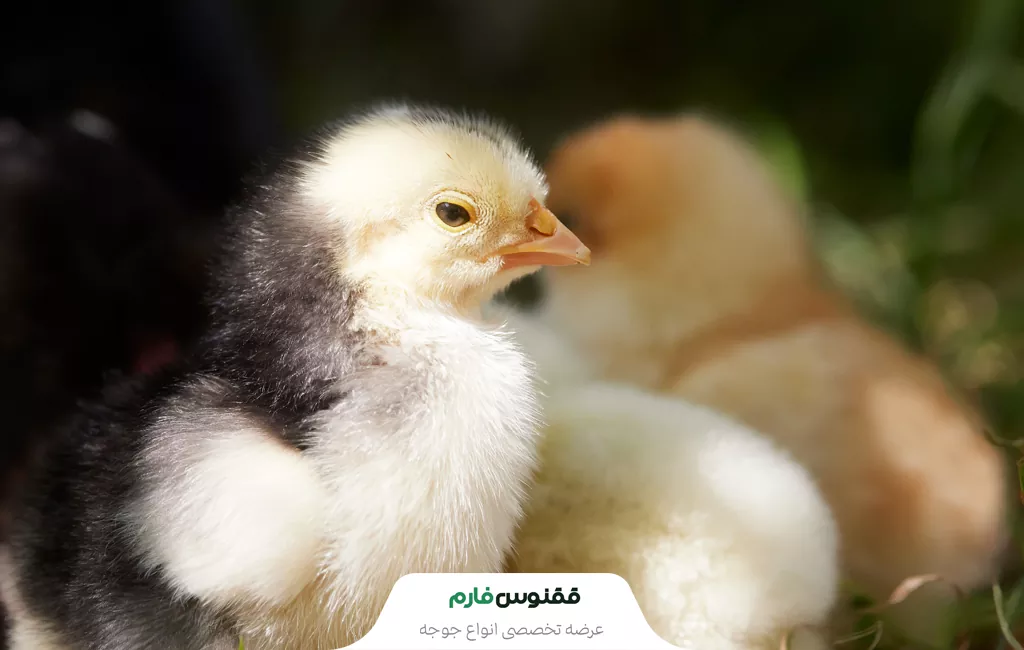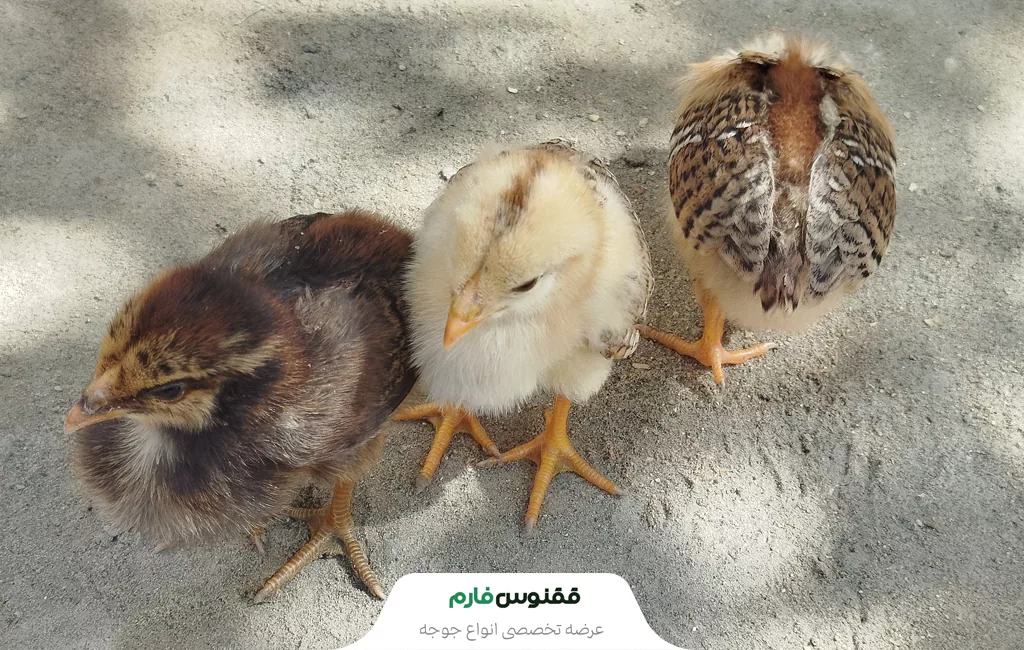

If you are planning to start or expand a poultry operation, choosing the right chicks is one of the decisions that should be made carefully before taking delivery of the birds. A day-old chick is a chick that has recently hatched from an egg and is at the beginning of its rearing period. However, the term “day-old” does not necessarily mean that the chick is exactly 24 hours old; it generally refers to a chick at the early stage after hatching that is supplied for the start of rearing.
Chick quality cannot be determined simply by looking at its appearance. The condition of the breeder flock, hatchery conditions, how the chicks are managed after hatching, the timing and conditions of transport, and the preparedness of the brooding area can all affect the start of the rearing period. Specialized poultry industry sources also consider chick quality to be the result of a combination of factors, ranging from breeder flock management and health status to the hatchery process and chick transport.
In this article, we first explain exactly what a day-old chick is and how it differs from older birds. We then examine the most important points you should know before buying chicks, including chick type, visible health, source of supply, transport conditions, and preparation of the brooding area.
What Is a Day-Old Chick and Why Is This a Critical Stage?
A day-old chick is a bird that has completed the hatching process, emerged from the egg, and is ready to be transported to the rearing facility. The term is used mainly for chicken chicks, but depending on the species, newly hatched chicks of other poultry birds may also be supplied within this age group.
When a chick emerges from the egg, it still uses the yolk reserves present in its body. These reserves can provide the chick with energy for a short period after hatching, but this does not mean that proper management is unnecessary once the chicks arrive at the poultry house.
Day-old chicks are important because a successful start to the rearing period requires careful management from the very first hours. The brooding area should be prepared before the chicks arrive, with suitable water, feed, heat, and environmental conditions readily available. Poultry management guides also emphasize preparing the brooding area before the chicks arrive.
Therefore, when buying chicks, you should not focus only on asking, “How much does each chick cost?” The more important question is whether the chicks are suitable for your production goal, available facilities, and the conditions you can provide for their care.
Before Buying, First Determine the Type of Chick You Need
One common mistake is for buyers to start looking for chicks first and only afterward decide what their production goal will be. It is better to do this in the opposite order.
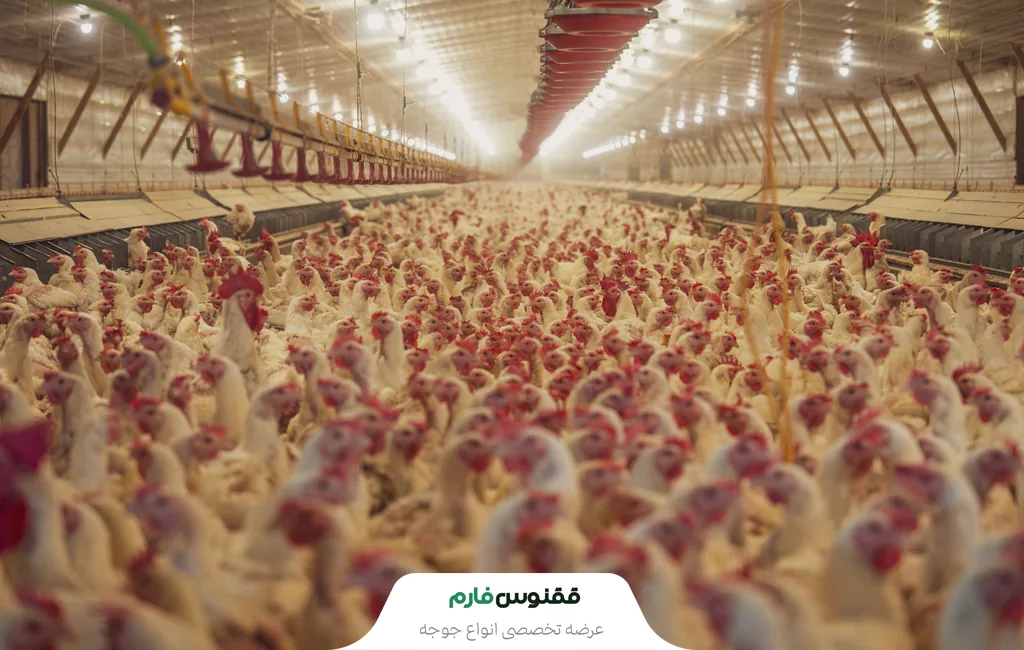
Different chicks are raised for different purposes. For example, broiler chicks are raised for meat production, while local or native chicks may be selected for different production systems and objectives. Therefore, simply choosing a healthy chick is not enough; the type of chick must match your production goal.
Before contacting a supplier, answer a few simple questions for yourself:
- Is your goal meat production or keeping breeding stock?
- Which species or breed is suitable for your operation?
- How many chicks do you need?
- Have you prepared the housing area and necessary equipment?
- When can you take delivery of the chicks?
- What are the weather conditions and the distance between the delivery point and your rearing facility?
If you do not yet know the answers to these questions, it is better to consult a specialist or an experienced supplier before placing an order. Choosing chicks that do not match your production objective can result in your time and money not being used effectively later.
What Should You Check When Receiving Day-Old Chicks?
Chicks should be inspected, as far as possible, before accepting the shipment. However, a brief visual inspection cannot confirm the bird’s complete health status or the condition of the entire flock. The purpose of visual inspection is to identify obvious signs of weakness, injury, or abnormal condition as early as possible.
Chick Appearance and Vitality
A chick in good general condition is usually alert and active and responds normally to its surroundings. In contrast, severe lethargy, obvious weakness, or abnormal behavior should be taken seriously.
During the initial inspection, pay attention to the eyes, beak, legs, feathers, and overall body condition. Unusual contamination, visible injury, or obvious abnormalities are issues that you should ask the supplier to explain.
Keep in mind that disease cannot be diagnosed from appearance alone. Different signs can have different causes, and veterinary examination may be necessary for a definitive diagnosis. Poultry extension resources also identify signs such as lethargy, respiratory problems, eye and nasal discharge, diarrhea, or impaired balance as conditions that should be taken seriously when observed.
Legs and Ability to Move
The chick’s legs should be capable of supporting its body weight and allowing normal movement. A chick that clearly cannot stand on its legs or move normally requires further evaluation.
Not every visible difference should be considered a disease; however, severe weakness, injury, swelling, or a clear abnormality is a good reason to ask the supplier for more information.
Body Condition and Uniformity
If you are buying a large number of chicks, do not inspect only one bird. Observe several sections of the shipment and determine whether the chicks have broadly similar overall condition.
Flock uniformity is important for poultry management, and specialized broiler production guides also consider weight, uniformity, and the number of chicks delivered as part of the initial flock assessment.
However, specific weight and appearance standards depend on the species, strain, age, and production conditions. Therefore, instead of applying one fixed number to all chicks, ask the supplier for the specifications of the particular product you are purchasing.
Do Not Check Only the Chicks’ Appearance; Ask About the Source
Two shipments may look similar while having very different information behind them. For this reason, when buying day-old chicks, you should also ask about the origin of the chicks and the production information associated with them.
Ask the supplier about information that can be provided for the specific shipment, such as:
- What type or strain of chick is being supplied?
- When was the hatch date or approximate time of hatching?
- Which breeder flock did the chicks come from?
- Is vaccination program information, where applicable, available?
- What are the delivery and transport conditions?
- What supply conditions are available for the quantity you need?
You should not expect all of this information to be provided in the same way for every type of chick or every supplier. Also, any specific vaccination program or health status should be confirmed for the particular shipment and should not be assumed based on general expectations.
When buying chicks, relying on an unknown source creates greater risk. University poultry extension resources also recommend obtaining birds from reputable sources and avoiding birds from unknown sources as part of good biosecurity practices.
Transport Is Also Part of the Quality of Your Purchase
Even if chicks are in good condition when they leave the production facility, improper transport can create problems for the birds. Therefore, distance, transport time, and environmental conditions during transportation are important.
The Aviagen broiler management guide emphasizes that transport planning should ensure chicks reach the rearing facility as quickly as reasonably possible and that, during hot weather, transport timing should be managed with heat conditions in mind.
For this reason, clarify the following before buying:
- Where is the delivery point?
- What is the approximate delivery time?
- How far is the delivery point from the poultry house?
- Who is responsible for coordinating the transport?
- What arrangements should be made in case of delays or changing conditions?
Especially during hot or cold seasons, it is better not to arrange transport and delivery without prior coordination.
Prepare the Brooding Area Before the Chicks Arrive
One costly mistake is to purchase the chicks and only afterward begin preparing the poultry house.
The housing area should be ready before the chicks arrive. Heating equipment should be checked, drinkers and feeders should be prepared, and the housing area should be in suitable condition in terms of cleanliness and environmental conditions. University extension resources also recommend preparing and cleaning brooding equipment before the chicks arrive.
The required temperature is not a single fixed number for every situation and should be managed according to the species, age, equipment, housing conditions, and chick behavior. For example, the Penn State guide for poultry chicks provides a specific temperature range at chick level under the heat source during the first week and also emphasizes observing chick behavior to assess their comfort.
In simple terms, if chicks remain constantly gathered under the heat source, they may be cold; if they move excessively far away from the heat source, the environment may be too warm. However, this behavior should be assessed together with actual house conditions and other signs and should not replace proper temperature and ventilation management.
Important: Specific recommendations for temperature, feed, vaccination, and health care cannot be applied to all chicks without considering the species and production conditions.
Common Mistakes When Buying Day-Old Chicks
Buying cheaper chicks does not necessarily mean making a more economical purchase. If the chicks are not suitable for your production objective or you do not have sufficient information about their origin and delivery conditions, a lower initial price alone is not an appropriate basis for making a decision.
Some common mistakes include:
Comparing only the price:
The price should be evaluated alongside the chick type, supply conditions, available information about the shipment, and delivery method.
Buying without defining the production objective:
Before placing an order, you should know what type of production you want the chicks for.
Ignoring delivery time:
Chicks arriving at the rearing facility should be placed promptly into a prepared environment.
Failing to prepare the poultry house:
Heat, water, feed, and equipment should be ready before the chicks arrive.
Using the appearance of one chick to assess the entire shipment:
It is better to examine several chicks and assess the overall uniformity of the shipment.
Failing to request verifiable information:
If claims are made about vaccination, origin, age, or chick specifications, ask the supplier for information relating specifically to that shipment.
A Simple Checklist Before Buying
If you are buying day-old chicks for the first time, the following sequence can make the decision easier:
1. Define your production objective.
Meat, eggs, breeding stock, or another purpose?
2. Choose the appropriate type of chick.
Not all chicks are suitable for the same production system.
3. Ask the supplier for shipment specifications.
Check the chick type, hatch date, and available information about flock condition and vaccination.
4. Check the chicks’ appearance and vitality.
Pay attention to activity, overall appearance, legs, and abnormal signs.
5. Determine the transport conditions and delivery time.
Coordinate this in advance, especially under unfavorable weather conditions.
6. Prepare the poultry house before delivery.
The brooding area, heating system, drinkers, feeders, litter, and other equipment should all be ready.
7. If you have concerns about chick health, do not make a final decision based on appearance alone.
For questionable cases, veterinary or poultry specialist assessment may be necessary.
Conclusion
Day-old chicks are the starting point of the rearing period, but a successful purchase is not simply about finding chicks with a suitable appearance. Chick type, production objective, source of supply, overall condition and uniformity of the shipment, available information about the shipment, transport conditions, and preparation of the rearing area should all be considered when making the decision.
For a first-time buyer, the most important point is to ask the supplier the right questions before making the payment or final arrangements and to know exactly what product is needed for what purpose. For experienced poultry producers, carefully checking shipment specifications and planning delivery can also help ensure better management at the beginning of the production cycle.
If you need guidance on choosing the right type of chick, evaluating supply conditions, or obtaining information about a specific shipment, you can contact the specialists at Qoqnoos Farm and review the specifications you need before making your purchase.