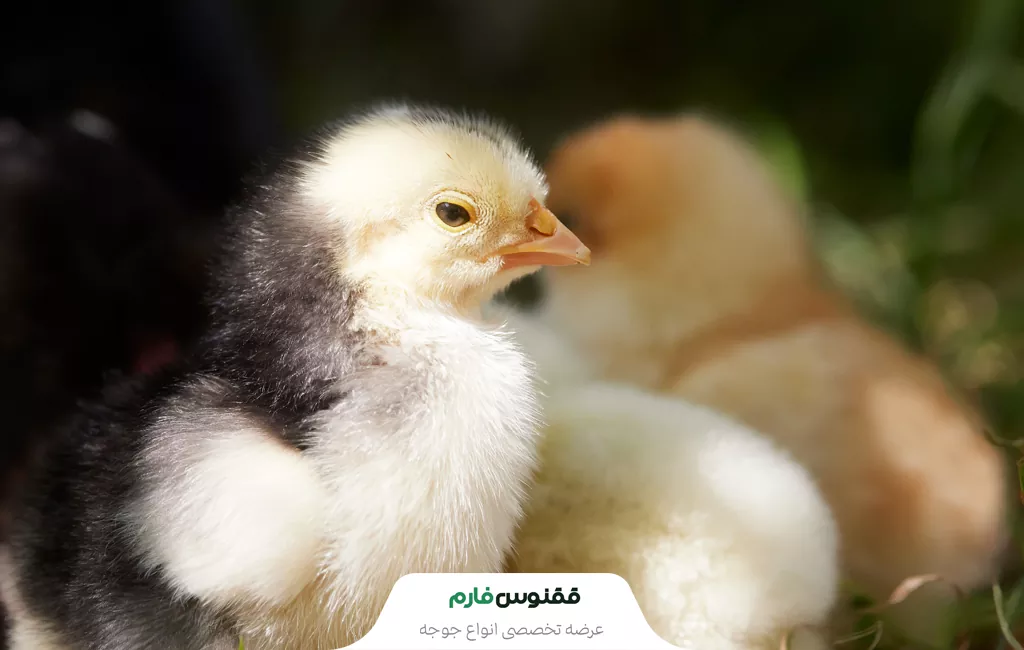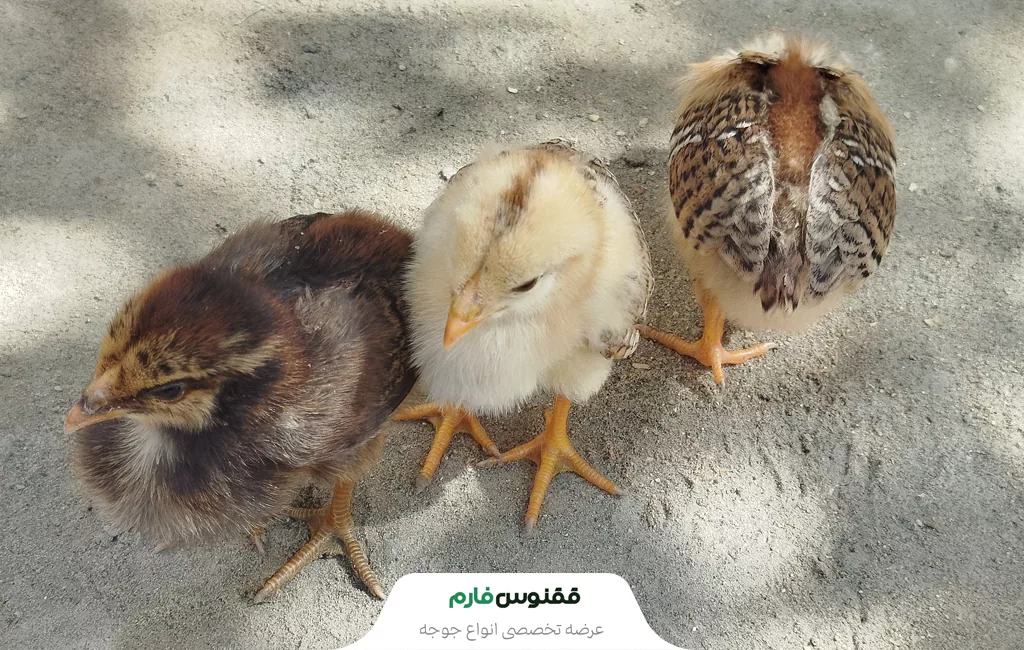
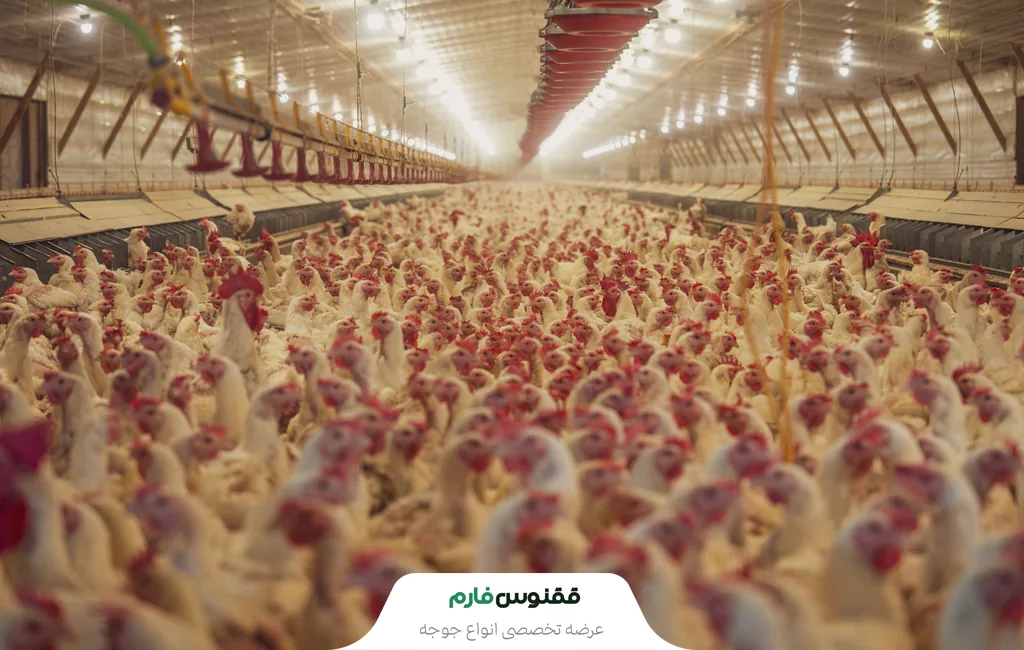
Broiler chicken production does not begin when the day-old chick arrives at the farm; an important part of success is determined before the chicks arrive. The house must be ready, the litter must be suitable, water and feed must be available, and the heating and ventilation systems must be able to provide the conditions required by young chicks.
During the first few days, even the smallest problem with temperature, access to water and feed, or air quality can affect the flock’s initial growth. For this reason, specialized broiler chick management guides place particular emphasis on careful management during the early days.
After the brooding period, management gradually shifts from keeping the chicks warm toward uniform growth, water and feed supply, ventilation, litter control, appropriate stocking density, and maintaining flock health.
In this article, we examine the overall production process from house preparation to the end of the cycle, in a way that is useful both for someone who is just starting broiler production and for a producer who wants to review the key points of flock management.
1. Before the Chicks Arrive; Prepare the House
One common mistake is to purchase the chicks first and then start thinking about preparing the house. In broiler production, it is better to do things in the opposite order: prepare the house first, and then bring in the chicks.
Before the flock arrives, factors such as cleaning, disinfection, litter, drinkers, feeders, heating, ventilation, and lighting should be checked. Broiler management guides also consider house and equipment preparation to be among the essential steps before chick placement.
Litter
The litter should be dry and clean, without excessive moisture. Wet litter is not merely a visual problem; increased litter moisture can reduce the quality of the rearing environment and make flock management more difficult.
Drinkers and Feeders
Before the chicks arrive, make sure the drinkers are working properly and that the chicks will be able to access water. Feeders should also be positioned so that the chicks can easily find the feed.
During the first hours, the goal is for the chick to find water and feed without having to search for a long time.
Heating
The house should reach suitable conditions before the chicks arrive. Air temperature is not the only important factor; litter condition and the temperature of the surface on which the chicks stand are also important.
For this reason, heating equipment should preferably be switched on and checked in advance, and the temperature should be measured at chick level.
2. The First Days; The Most Critical Stage of Broiler Production
The first days of a chick’s life are a critical stage in broiler production. The chick should gain access to water and feed quickly and be kept in an environment where temperature, humidity, and air quality are appropriate. The Ross guide also emphasizes providing rapid access to water and feed and a suitable environment to establish proper eating and drinking behavior.
At this stage, do not rely only on the number shown on the thermometer. The chicks’ own behavior is one of the best indicators for evaluating house conditions.
If the chicks:
- Gather excessively under the heat source, they may be too cold.
- Move far away from the heat source and appear restless or panting, they may be too hot.
- Gather in one particular area of the house, there may be an unsuitable airflow pattern or temperature difference.
- Are distributed relatively evenly throughout the available space and regularly move toward water and feed, environmental conditions are likely to be more suitable.
Aviagen also emphasizes that chick behavior should be assessed alongside temperature and humidity measurements when evaluating rearing conditions.
Do Not Manage Temperature Using Only One Fixed Number
A chick’s thermal requirements change as it grows. Therefore, a single fixed temperature cannot be maintained in the house from day one through the end of the production cycle.
Higher temperatures are required during the early days, and as the birds grow, their need for direct heat decreases. The timing of temperature reduction should also be adjusted based on chick behavior, house conditions, humidity, and other factors.
For this reason, temperature tables in management guides should be a starting point, not a substitute for observing the flock.
3. Water; A Resource That Should Not Be Underestimated
In broiler production, considerable attention is usually given to feed, but water also plays a fundamental role. Water must be available to the flock, and the condition of the drinkers should be checked regularly.
If there are not enough accessible drinkers or if they are not properly adjusted, some birds may not be able to obtain sufficient water.
Throughout the production cycle, factors such as:
- Drinker cleanliness
- Proper drinker operation
- Leaks
- Access for all birds
- Water quality
should be checked.
Water quality is an issue that should preferably be evaluated on commercial farms based on the water source and local conditions. If a problem is suspected, water testing can provide more accurate information.
Clean and accessible water should not be treated as merely a secondary issue.
4. Broiler Nutrition; From Start to Growth
The feeding program should be aligned with the bird’s age and growth stage. Broilers have different nutritional needs at different stages of growth, and starter feed is not the same as feed used during later stages.
Broiler nutrition guides generally formulate feed according to the growth stage and consider the use of stage-appropriate feed to be part of proper management. Feed form also differs during the early days compared with later stages.
During the early days, the main goal is for the chick to quickly learn proper eating and drinking behavior and have easy access to feed.
After that, as the birds grow, the feeding system should be managed according to the size of the flock and the birds.
Why Should Feed Not Be Changed Without Proper Guidance?
If a producer changes the feed without considering the birds’ age and production objective, or experimentally adds different ingredients to the ration, the nutritional balance may be disrupted.
Therefore, especially in commercial production, it is better to use formulated feed appropriate for the growth stage, and any major change should be coordinated with a poultry nutrition specialist or the farm veterinarian.
Also, feed consumption alone is not sufficient for evaluating flock performance. Weight gain, uniformity, health, litter quality, and the birds’ general condition should all be assessed together.
5. Ventilation; Fresh Air Without Drafts
Ventilation is sometimes given less attention compared with feed and temperature, but it plays a very important role.
The purpose of ventilation is not simply to cool the house. Ventilation should help provide fresh air and remove moisture, carbon dioxide, and undesirable gases. During the brooding period, fresh air must be supplied while preventing direct cold drafts from reaching the chicks.
This distinction is important:
Proper ventilation ≠ leaving all air inlets open
If airflow is directed directly onto young chicks, it may cause them to become chilled. On the other hand, inadequate ventilation can reduce air quality.
Therefore, the following factors should be considered together:
- House temperature
- Humidity
- Bird behavior
- Litter quality
- Unpleasant odors
- Condition of incoming and outgoing air
- Outdoor weather conditions
Aviagen emphasizes draft-free ventilation and regular monitoring of air quality during the brooding period.
6. From the End of Brooding to Main Growth
After passing the sensitive early stage, the chicks grow more rapidly, and house management should also change along with their growth.
At this stage, several issues become more important.
Adequate Space
As birds gain weight, they require more space. If too many birds are kept in an unsuitable space, managing litter, access to water and feed, and environmental conditions becomes more difficult.
Appropriate stocking density depends on various factors such as target weight, house type, weather, ventilation system, and equipment. Therefore, a single number cannot be recommended for all farms. Cobb guides also identify stocking density as an important management indicator.
Litter Control
Check the litter every day. Wet areas, especially around drinkers, should be identified quickly.
A leaking drinker or incorrect adjustment can cause the litter to become wet. Therefore, if one area of the house remains constantly damp, do not simply replace the litter; find the cause of the moisture.
Flock Uniformity
A uniform flock is generally easier to manage. If some birds are noticeably smaller or weaker than the others, the cause should be investigated.
Differences in growth can be related to various factors such as access to feed and water, environmental conditions, health, or the quality of the initial chicks.
For this reason, periodically weighing a sample of birds and recording the results can be a useful tool for tracking growth.
7. Lighting and Flock Behavior
The lighting program should be adjusted according to the growth stage and production system. During the early days, sufficient lighting helps chicks find water and feed.
The Ross guide recommends a longer lighting period during the first days and then gradually increases the dark period; however, the exact program should be coordinated with the house system, local regulations, and flock management.
Here too, the goal is not simply to have the house «lit». Bird behavior, access to water and feed, and resting patterns should be evaluated alongside the lighting program.
8. Flock Health; Prevention Is More Important Than Self-Medication
In broiler production, daily observation of the flock is very important.
Look for unusual changes every day:
- Sudden decrease in activity
- Changes in water or feed consumption
- Increased mortality
- Abnormal changes in droppings
- Respiratory problems
- Lameness or movement problems
- Noticeable decline in growth
- Abnormal bird clustering
These signs do not necessarily indicate a specific disease, but they can serve as warning signs.
Do not administer antibiotics, medications, or change the vaccination program without professional guidance. Prevention and vaccination programs should be adjusted according to the region, prevalent diseases, flock condition, and the veterinarian’s advice.
In commercial management guides, biosecurity, cleaning and disinfection, controlling the entry of people and equipment, and proper mortality management are also considered important parts of the flock health program.
9. Take Biosecurity Seriously from Day One
Biosecurity refers to a set of measures that reduce the risk of disease-causing agents entering and spreading within the farm.
Some simple but important measures include:
- Limiting the entry of unnecessary visitors
- Using appropriate clothing and footwear in the production area
- Keeping equipment clean
- Preventing unnecessary contact with other birds
- Controlling rodents and other vectors
- Proper mortality management
- Proper cleaning and disinfection between production cycles
An important point is that biosecurity is not only for large farms. Even in a small operation, the entry of people, contaminated equipment, or contact with other birds can create a risk.
10. Daily Monitoring; Do Not Run the Production Cycle on Guesswork
One of the differences between organized management and unplanned production is record keeping.
You do not need a complicated logbook. You can record items such as the following daily or at specific intervals:
| Indicator | What should we check? |
|---|---|
| Mortality | Daily number and changes |
| Feed | Consumption and unusual changes |
| Water | Consumption and unusual changes |
| Weight | Sample weight and growth trend |
| Temperature | Temperature at different points in the house |
| Humidity | House and litter moisture conditions |
| Flock condition | Activity, distribution, and general appearance |
| Litter | Whether it is dry or wet |
Recording this information makes it easier to identify a problem before it develops into a serious decline in flock performance.
For example, if water consumption suddenly changes, that change is worth investigating, even if no other obvious sign has appeared yet.
11. End of the Production Cycle; When Are the Chickens Ready to Leave?
The end of the production cycle should not be determined solely by reaching a fixed age.
The appropriate time for sale or slaughter depends on factors such as:
- Production objective
- Target market weight
- Strain type
- Feed cost
- Flock growth rate
- Market conditions
- Slaughter or sales capacity
and other factors.
Therefore, saying that «broilers must be sold exactly on a specific day» is not a general recommendation that can be applied to every farm.
It is better to define your target market from the beginning of the cycle. If the buyer requires a specific weight, the growth plan should be aligned with that target from the start.
At the end of the cycle, the birds’ overall condition and transport plan should also be reviewed before the flock leaves the farm. Improper transport can harm the birds and affect the quality of the final product.
Common Mistakes in Broiler Production
Some problems in poultry farming are caused not by one major decision, but by several small mistakes.
1. Buying chicks before the house is ready
This eliminates the opportunity to properly prepare the environment.
2. Focusing only on thermometer temperature
Chick behavior should also be monitored.
3. Inadequate ventilation to prevent chicks from getting cold
Fresh air is essential, but it must be supplied without creating direct drafts.
4. Ignoring drinkers
Leaks and improper drinker adjustment can damage litter quality.
5. Changing feed without guidance
The ration should match the growth stage.
6. Self-medicating for disease
Similar symptoms can have different causes. Diagnosis and treatment should be carried out under veterinary guidance.
7. Failing to keep records
When water, feed, weight, and mortality are not recorded, it becomes more difficult to identify changes in the flock.
8. Determining the end of the cycle based only on age
Target weight and market conditions should also be considered in decision-making.
If We Simplify the Entire Production Cycle
Broiler production can be divided into several main stages:
Before chick placement:
Prepare the house, equipment, litter, water, feed, heating, and ventilation.
First days:
Focus primarily on a proper start for the chicks, quick access to water and feed, suitable temperature, air quality, and observing flock behavior.
Growth period:
Continuously monitor water and feed, adequate space, ventilation, litter, lighting, uniformity, and flock health.
Near the end of the cycle:
Consider flock weight, target market, feed costs, and sales conditions together.
After the flock leaves:
Carry out proper emptying, cleaning, washing, disinfection, and preparation of the house for the next cycle. Cleaning and disinfection between cycles are part of the farm’s biosecurity management.
Conclusion
Successful broiler production does not begin with purchasing chicks; it begins with planning before chick placement.
The chicks should be placed in a prepared and suitable house and, during the first days, have easy access to water and feed, appropriate warmth, and fresh air. As the flock grows, management should focus on ventilation, adequate space, feed, water, litter, lighting, health, and uniformity.
Throughout all these stages, daily flock observation and record keeping are extremely important. A producer should not simply wait for weight loss or increased mortality; small changes in behavior, water and feed consumption, litter condition, and flock growth can provide an earlier warning of a serious problem.
There is also no single management program that works for every farm. Chick strain, house system, weather, equipment, target weight, and sales market all affect how the production cycle should be managed. Therefore, figures related to temperature, stocking density, feed, or the timing of the end of the cycle should be adjusted according to the strain guide and the actual farm conditions, rather than relying solely on a general table.
If you need day-old broiler chicks to start your production, or if you would like information about chick selection, supply conditions, and current prices, you can contact the experts at Ghoghnous Farm. Your order details and production objectives will be reviewed so that information about the required chicks can be provided.