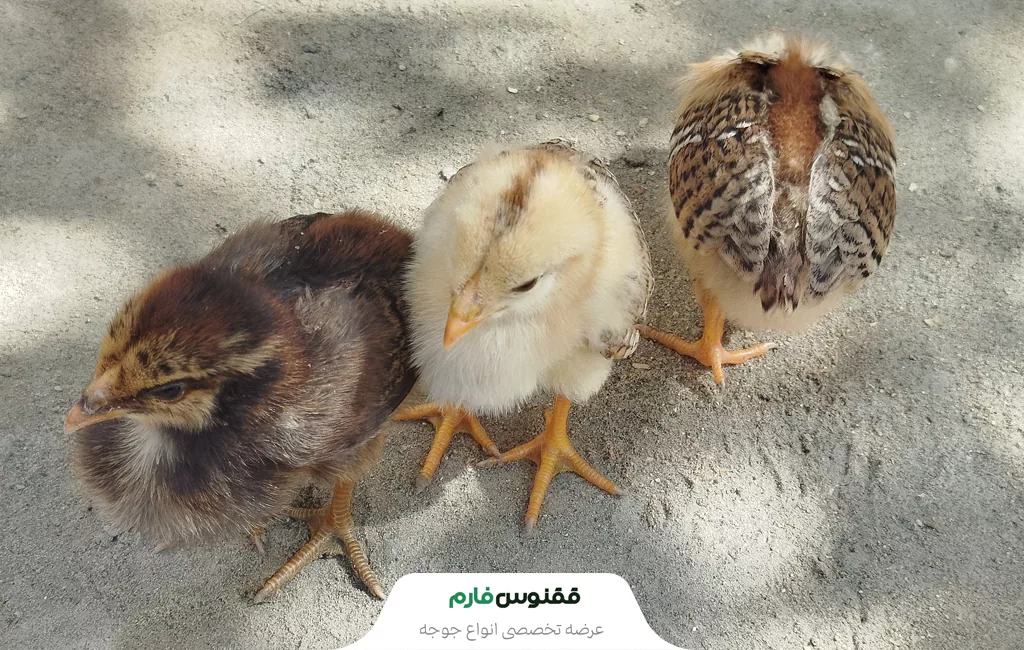
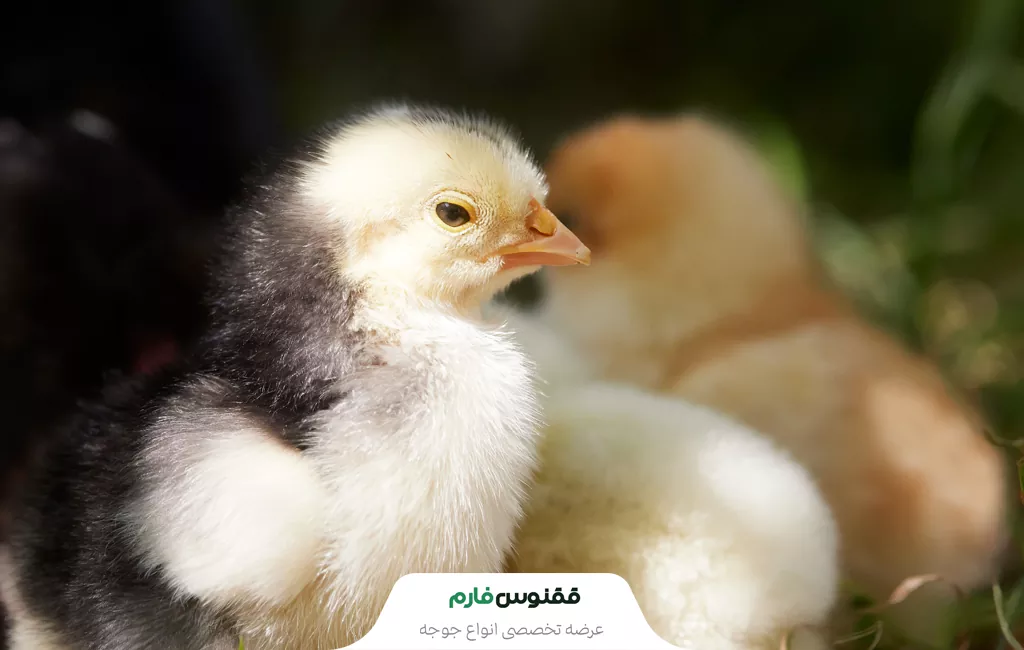
Identifying a healthy chick when buying is not possible simply by looking at feather color or chick size. A properly developed day-old chick is usually active and alert, with clear eyes, healthy and straight legs, dry and clean feathers, and a well-healed navel. It should also be able to stand and walk properly. These characteristics are also recognized as important indicators in professional chick-quality assessment guidelines.
However, one important point should not be forgotten: a good-looking chick does not guarantee complete health. Some problems or diseases may not be visible at first glance. Therefore, when buying chicks, you should examine the chicks themselves and also ask about the source of supply, production conditions, health information, and transportation conditions.
In this guide, we will go step by step through the parts of the chick you should check upon delivery, the warning signs that should make you more cautious, and how to distinguish between a chick that merely looks healthy and a more reliable purchase.
What Are the Characteristics of a Healthy Chick?
Before examining individual parts of the body, it is better to first look at the chick’s overall behavior.
A chick of good quality is usually alert, responds normally to its surroundings, and can stand and move without difficulty. In the Aviagen guide, a high-quality chick is described as clean, able to stand firmly and walk well, active and alert, and free from visible abnormalities.
Therefore, when you go to collect your chicks, do not simply take one chick out of the box and examine it. Observe the overall behavior of several chicks and the general condition of the shipment as well.
Signs that may appear positive at first glance include:
- Normal activity and alertness
- Proper standing and walking
- Clear and bright eyes
- Dry and clean feathers
- Legs and toes without obvious abnormalities
- Dry and well-healed navel
- No abnormal discharge from the eyes or nose
- No obvious injury or deformity of the body
These are initial indicators, not a medical examination. Definitive diagnosis of disease or flock health status requires professional examination and, when necessary, laboratory testing.
Check the Chick’s Eyes, Beak, and Head
The eyes are one of the easiest parts to observe at delivery. A healthy chick’s eyes should appear clear and bright and should not show abnormal discharge or cloudiness. Chick-quality guidelines also consider clear and bright eyes desirable characteristics.
Look around the eyes and nose for abnormal discharge. Also, if a chick is breathing abnormally, wheezing, or repeatedly keeping its mouth open to breathe, it should not be ignored. Signs such as eye and nasal discharge, reduced activity, and respiratory problems can be associated with disease in poultry, although the cause cannot be determined from a single symptom alone.
The beak should also be checked for shape and cleanliness. Chick-quality standards list a smooth and clean beak as one of the desirable characteristics.
At this stage, there is no need to handle the chick excessively. A brief and gentle examination is usually sufficient.
Pay Close Attention to the Legs and Walking Ability
Legs are very important in day-old chicks because the chick must be able to reach water and feed and move normally.
When you place a chick on a suitable surface, pay attention to the following:
- Can it stand properly?
- Does it appear to walk normally?
- Are its legs straight?
- Do the toes show any abnormal position or obvious deformity?
- Does it continuously hold one leg up?
- Does it lose its balance while moving?
The Aviagen guide considers healthy, straight, and defect-free legs and toes to be indicators of good chick quality.
If a chick clearly cannot stand or walk, this should be taken seriously. However, a brief period of inactivity alone is not definitive grounds for rejecting a chick; it may be temporarily less active because of transportation conditions or fatigue. Overall behavior and observing several chicks provide a more accurate picture.
The Chick’s Navel Is One of the Most Important Areas to Check
Do not forget to check the navel when buying day-old chicks.
After hatching, the navel area should be properly closed and dry. In chick-quality assessment standards, a fully healed navel and proper retraction of the remaining yolk sac are considered desirable signs.
If the navel looks abnormal, is wet, or is accompanied by discoloration, discharge, or an unpleasant odor, it is better to ask about it before accepting the shipment.
An important point is that every abnormal navel condition does not necessarily indicate a specific disease. Therefore, avoid self-diagnosis and consult a veterinarian or poultry specialist in suspicious cases.
Chick Feathers Should Be Dry and Clean
A newly hatched chick may have a different appearance during the first few hours, but after drying, the down feathers should be dry, clean, and relatively fluffy.
The Aviagen chick-assessment guide lists dry, fluffy, and non-sticky down feathers as one of the signs of desirable chick quality.
If a chick’s feathers are unusually wet, matted, or dirty, the cause should be investigated. Such a condition may be associated with poor post-hatch or transportation conditions, but the cause cannot be determined conclusively from appearance alone.
Also pay attention to contamination around the vent. Significant soiling in this area, especially when observed in many chicks, warrants further investigation.
Do Not Examine Only One Chick
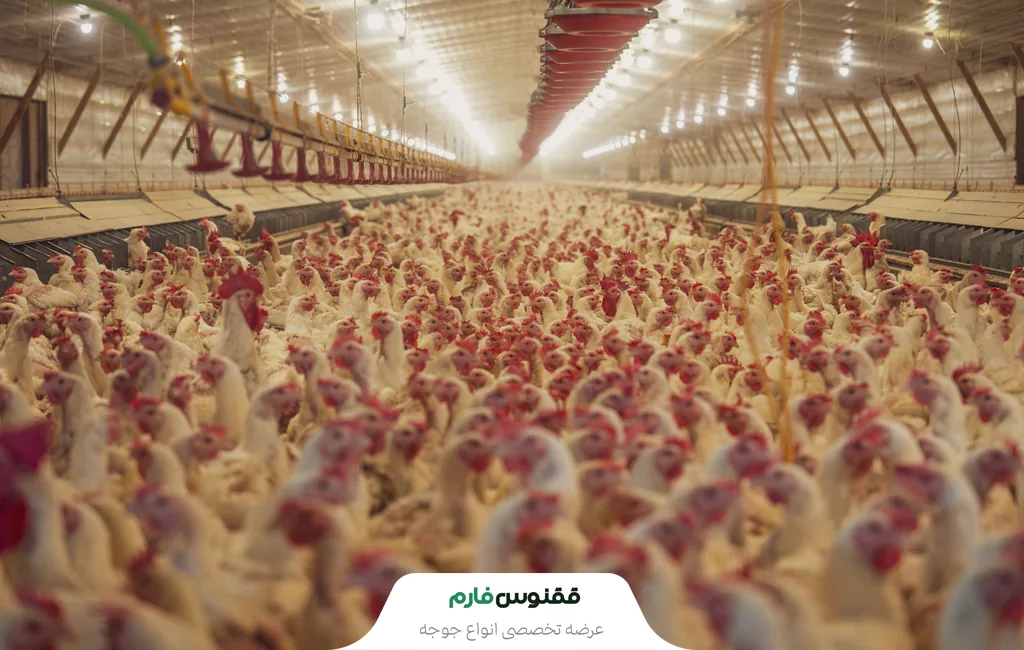
Suppose you are buying a large number of chicks for raising. If you take only one chick out of the box and it looks healthy, you still cannot conclude that the entire shipment is in the same condition.
It is better to examine several different areas of the shipment and see how uniform the condition of the chicks is.
Uniformity is also important in chick-quality assessment. Professional sources also emphasize checking chicks at delivery and observing characteristics such as activity, navel condition, and overall appearance.
If the chicks in one part of the box are active while many chicks in another part appear lethargic or abnormal, raise the issue with the supplier.
Examining one good sample from a shipment does not replace examining the shipment itself.
Pay Attention to Warning Signs
Some signs at the time of purchase should prompt you to carry out a more careful inspection.
For example:
| Visible Sign | Why Should It Be Checked? |
|---|---|
| Severe lethargy | May indicate a general problem or poor conditions |
| Inability to stand or walk | May be associated with a leg problem, weakness, or injury |
| Cloudy eye or eye discharge | May indicate a health problem |
| Nasal discharge or abnormal breathing | Requires further investigation |
| Abnormal navel or navel discharge | May indicate a problem with navel healing |
| Abnormally shaped leg or toe | May affect movement and access to water and feed |
| Very dirty or matted feathers | May indicate poor conditions |
| Abnormal clustering and lethargy in many chicks | The shipment and transportation conditions should be investigated |
These signs are not disease diagnoses. For example, lethargy can have many different causes, and a specific disease cannot be diagnosed based on that sign alone.
If a significant number of chicks show similar symptoms, it is better to discuss the issue with the supplier before purchasing or accepting the shipment and consult a veterinarian if necessary. Penn State resources also identify lethargy, eye and nasal discharge, respiratory problems, diarrhea, and balance problems as signs that should be taken seriously in poultry.
Do Not Ask the Seller Only About the Chick’s Appearance
Chick quality is not limited to what you can see with your eyes.
Before purchasing, ask for information about that specific shipment. For example:
- What exactly is the type or strain of the chicks?
- When did hatching take place?
- What source did the chicks come from?
- What information is available about the parent flock?
- Is vaccination information available for this shipment?
- What were the transportation conditions up to delivery?
- If a significant number of chicks show abnormal conditions at delivery, what is the process for inspection and coordination?
The answers to these questions depend on the type of chick and the supply system. You should not assume that all suppliers or all types of chicks must provide exactly the same set of information.
However, transparent information about the shipment can help the buyer make a more informed decision. Extension resources also discourage purchasing birds from unknown sources and emphasize the importance of the source of supply in biosecurity.
Do Not Confuse Vaccination With Being Healthy
One issue that can cause misunderstanding when buying chicks is vaccination.
The presence or absence of a particular vaccine cannot be treated as the same for all chicks. Vaccination programs depend on the species, production purpose, region, disease situation, and flock health program.
If the seller states that the chicks have been vaccinated, ask about the vaccine type, vaccination date, and documentation for that specific shipment.
On the other hand, being vaccinated does not mean that a chick is healthy in every respect. Vaccination is part of a prevention program and does not replace an assessment of the chick’s overall condition.
For vaccines that require special handling, decisions should not be made without sufficient information about storage, timing, and handling conditions. If the vaccination program is important for your flock, it is better to coordinate it with a veterinarian or poultry specialist.
Consider Transportation Conditions When Assessing Chicks
Sometimes a chick is in good condition when it leaves the production facility but develops stress or environmental problems because of poor transportation. Therefore, the timing and conditions of transportation are also part of delivery quality.
The Aviagen guide emphasizes controlling environmental conditions during chick transportation and maintaining an appropriate body temperature for the chicks.
If, at delivery, you find chicks that are severely lethargic, unusually clustered, or showing similar conditions in large numbers, do not examine only the appearance of individual chicks. The transportation time, route conditions, and holding conditions before delivery should also be investigated.
For this reason, it is better to agree in advance on the following:
- Approximate delivery time
- Delivery location
- Duration and conditions of transportation
- Responsibility for transportation
- How abnormal conditions at delivery will be handled
Is Chick Weight a Good Criterion for Assessing Health?
Weight can be useful information, but it is not sufficient on its own to determine whether a chick is healthy.
An appropriate weight depends on chick type, strain, exact age, and production conditions. Even chicks with similar weights may have different overall health conditions.
Therefore, if a supplier states a specific weight for a shipment, it is better to consider that figure alongside other indicators such as activity, leg condition, navel condition, eyes, and uniformity.
In particular, a single fixed weight should not be applied to all chicken, turkey, quail, or duck chicks. The needs and characteristics of these birds differ from one another.
A Simple Method for Checking Chicks at Delivery
If you do not have much experience buying chicks, you can carry out the inspection as follows:
Step One: Observe from a distance.
See whether the chicks are active or whether many are lethargic. Check how they are distributed.
Step Two: Select several chicks.
Examine several chicks from different parts of the shipment, not just one sample.
Step Three: Check the eyes and head.
Check eye clarity, the absence of abnormal discharge, and the condition of the beak.
Step Four: Check the legs.
The chick should be able to stand and move and should not have obvious abnormalities in its legs or toes.
Step Five: Check the navel and feathers.
The navel should be healed, and the feathers should be dry and clean.
Step Six: Ask about the shipment information.
Confirm the chick type, hatch time, available health and vaccination information, and transportation conditions.
Step Seven: Record and report suspicious cases.
If a significant number of chicks show abnormal conditions, discuss the issue with the supplier before final acceptance.
This method does not replace a veterinary examination, but it is much more useful for an initial inspection when buying than focusing only on the price or color of the chicks.
Conclusion
When assessing whether chicks are healthy at the time of purchase, do not rely on a single sign. Check overall behavior, activity, eyes, beak, legs, walking ability, navel condition, feathers, and shipment uniformity together.
Along with the visual inspection, ask about the source of supply, hatch time, health and vaccination information for that specific shipment, and transportation conditions. A chick may look suitable while information about its origin or transportation conditions may require further investigation.
On the other hand, the presence of one abnormal sign alone does not mean that a specific disease has been diagnosed. If chicks are lethargic, have respiratory problems, show abnormal discharge, cannot walk properly, or mortality is observed, the situation should be assessed by a veterinarian or poultry specialist, and self-medication should be avoided.
Ultimately, reliable chick purchasing is not simply about choosing a good-looking chick; understanding the product, inspecting the shipment, and selecting a trustworthy source are also part of the purchasing process.
If you need guidance on selecting the right type of chick, evaluating supply conditions, checking current prices, or asking about the specifications of your desired shipment, you can contact the experts at Qoqnoos Farm.